
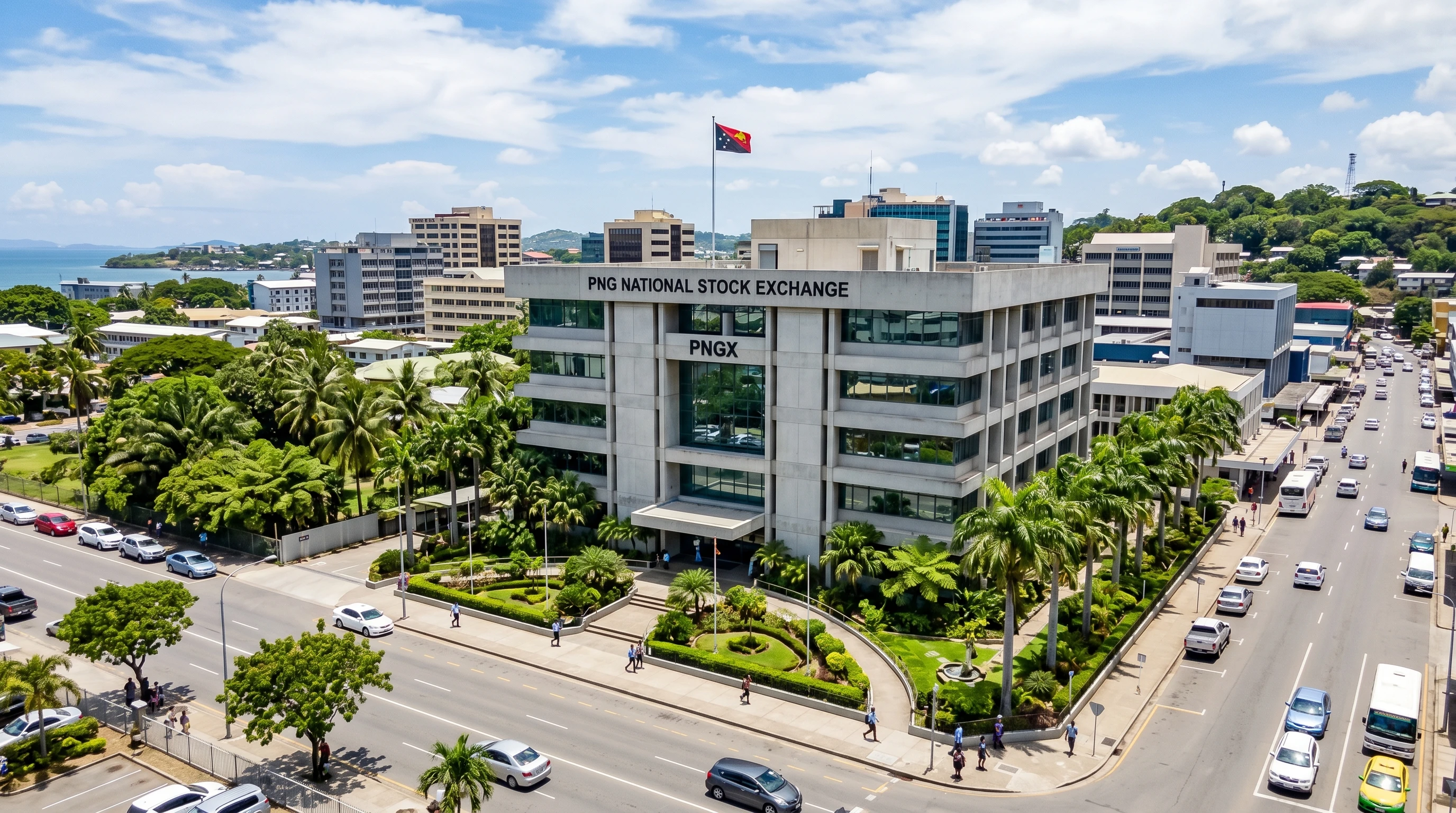
Feeling curious about buying and selling stocks in Papua New Guinea (PNG)? It’s one of those things that seems complicated at first, but with a bit of hands-on info, anyone can get started. I’m breaking it all down so you can move from just thinking about investing to actually owning shares and trading with confidence in the PNG stock market.
Understanding How the PNG Stock Market Works
The PNG stock market runs mainly through the Papua New Guinea National Stock Exchange (PNGX). This is where most of the action happens. Companies list shares, and you can buy or sell these shares through brokers approved by PNGX.
- PNGX: The main exchange where stocks are listed and traded.
- Brokers: Licensed intermediaries help you make trades. You can’t buy stocks on your own, so you’ll need to go through a broker.
- Market Hours: Shares are traded during business days, usually between 9:30am and 4:30pm, but check with your broker for exact timings.
Compared to some of the bigger markets out there, PNGX is smaller but growing. This might mean fewer choices, but it also brings some unique opportunities to the table. It’s also worth noting that because the market isn’t as crowded, local trends, company news, and government actions can have a bigger impact on stock prices. This makes it a great space for investors who want to start with a more focused, local set of options rather than getting overwhelmed by thousands of companies in larger markets.
Step-by-Step: How to Buy Stocks in PNG
Getting started with shares in PNG is pretty straightforward once you know the process. Here’s how I went about it and how you can too:
- Open an Account: Find a broker approved by the PNGX. Some well known ones include BSP Capital and Kina Securities. You’ll fill in some forms, provide ID, and deposit funds.
- Choose Stocks: PNGX lists companies from sectors like banking, agriculture, and mining. Research what each company does and how they’ve performed in recent years before deciding where to invest. Check out company reports, ask your broker for details, or read market news online.
- Place Your Order: After picking a stock, give your broker a buy order. You can say how many shares you want to buy, or specify a cash amount. Your broker then handles the rest, putting your order on the market and matching it with sellers.
- Confirm the Trade: Once the broker completes your purchase, you’ll get a contract note showing how many shares you now own and what you paid. Keep this for your records.
Each broker has their own process and can answer questions, so don’t hesitate to ask for help if you need it. If you’re new, brokers can walk you through the finer points like order types, timing, or banking transfer options. Some brokers even have online trading platforms that let you track your investments in real time and see updates on prices and trades.
How to Sell Stocks on the PNGX
Selling is just as simple as buying, and you can sell off your holdings whenever you want. Here’s what I do when I want to sell shares:
- Contact your broker with the details of the shares you want to sell.
- Set the price you want, or let the broker handle the sale at the market rate.
- Once your shares are sold, the broker sends a contract note and then transfers the money into your account (usually within a few days).
Keep in mind that market demand and pricing can fluctuate. With less liquid stocks, you might have to wait a bit for your shares to sell if there aren’t buyers lined up. Double check any transfer fees or commissions, since these can vary between brokers.
Tips for Getting Started With Stocks in PNG
The world of stocks can feel overwhelming, but there are a few things I always keep in mind that might help you, too:
- Start Small: You don’t have to go big right away. Buy a handful of shares and see how the process works. This helps you get comfortable without risking too much.
- Add Some Variety: If you can, spread your investments across a few different companies. That way, you’re not relying on just one stock.
- Learn and Read: PNGX, your broker, and news sites are a goldmine for updates. The more you know, the more comfortable you’ll feel making buy or sell decisions.
- Watch Fees: Each broker has their own fee structure, so check what you’ll pay per trade. Ask about minimum charges or extra costs, so you aren’t caught off guard.
Patience is really important. Stock prices go up and down every day, but long term investors often see the best results. Remember, it’s normal for the market to have some ups and downs, especially in a growing exchange like PNGX.
If you want, you can monitor specific companies, read their press releases, and pay attention to dividend announcements. Over time, you’ll get a better sense of trends and which businesses are performing well. Networking with other investors or asking your broker about educational events is another way to build your knowledge base.
Resources and Where to Track Down Help
If you’re looking for more info on stocks in PNG, I’ve found a couple of resources pretty handy:
- Papua New Guinea National Stock Exchange (PNGX) official website – Lists current shares, news, and educational resources.
- BSP Capital’s guide to shares – Straightforward explanations about stock investing in PNG.
You can also check in with the brokers directly or connect with other investors through online forums or community meetups in PNG. These groups can offer practical tips and lessons they’ve learned along the way.
Share Your Experience
Thinking about buying your first PNG stock, or already have experience trading on PNGX? Drop your stories or questions below. Sharing what you’ve learned helps others, and you might even pick up a new tip or two along the way. The world of investing is easier to tackle when people support each other, so feel free to join the conversation and ask whatever’s on your mind.