
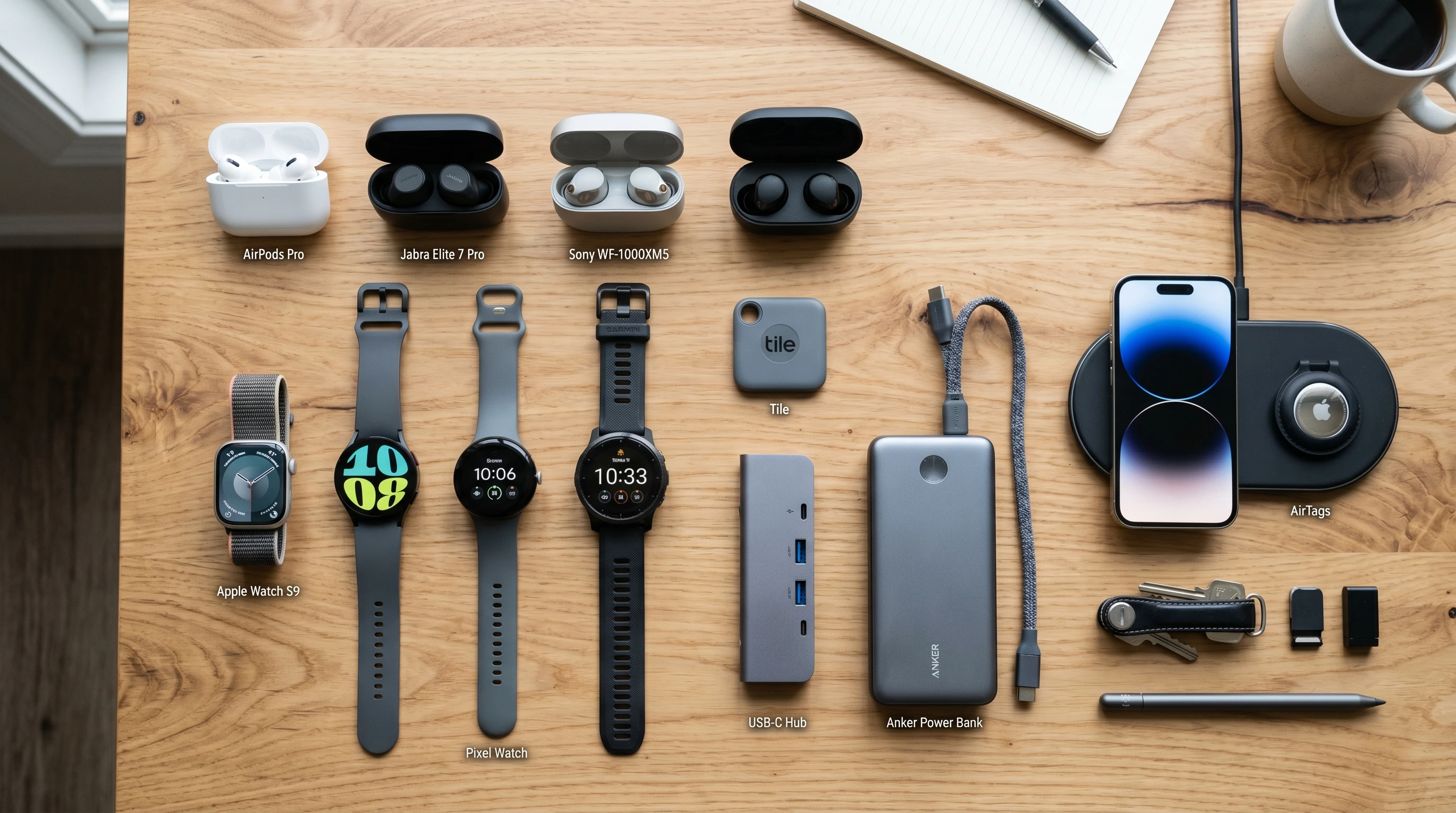
Putting together a buying guide for affiliate products is one of my favorite ways to help readers make solid choices and also pick up some affiliate commission along the way. A well-made buying guide can build a ton of trust, answer most of your readers’ questions, and help them feel good about clicking that affiliate link. In today’s crowded online world, these kinds of guides stand out as a go-to resource for shoppers who want to feel confident in their buying decisions.
What Makes a Good Affiliate Buying Guide?
The best buying guides do more than just list products. I find they walk readers through their options and clarify things like product features, price differences, and how to pick between brands. The focus is all about making the shopping experience less stressful and more informed. These guides cover real pain points for customers, simplify selections, and shine a light on what matters most.
- Clear structure: Guides that group products into easy to understand categories and highlight the pros and cons are really useful.
- Genuine experience: Sharing your own thoughts, first impressions, and any personal testing helps build credibility. If you haven’t used the product, mixing together deep research and user reviews adds extra value.
- Actionable advice: I always add tips like “ideal for small spaces” or “good for tight budgets” so readers can spot who each product suits best. Real-life use cases or fun anecdotes can make a difference, too.
How to Research Affiliate Products for Guides
Careful research helps buyers make informed decisions. Readers want up to date info and honest comparisons, so I always:
- Check multiple sources: I look at product listings, official sites, third party reviews, and even video demos to make sure I’m not missing details.
- Read real user feedback: Seeing what owners like, or don’t like, gives a clearer picture of long term value. Sometimes, feedback on customer support or frequent problems is just as important as the main features.
- Compare features and pricing: Putting specs side by side in a chart or quick list makes life a lot easier for the reader. I also pay attention to warranties, tech support, and any unique perks each option comes with.
I also double check product availability and return policies, especially if the vendor changes pricing or stock often. A quick note about how companies handle shipping or exchanges can go a long way toward helping readers feel secure.
Sample Guide Structure: Wireless Earbuds Buyer’s Guide
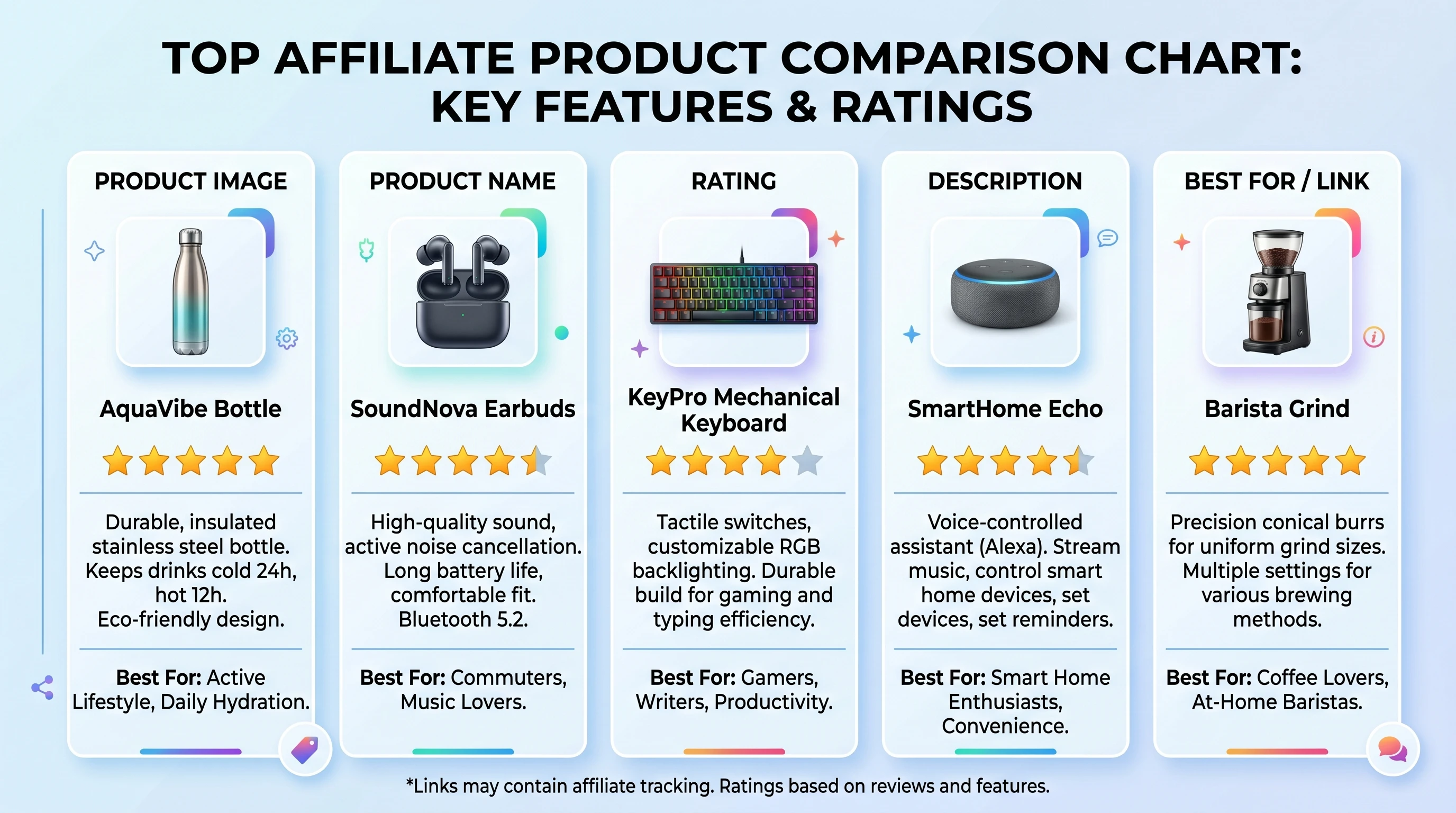
Let’s say I’m working on a buying guide for wireless earbuds, which are super popular affiliate products. Here’s a simple, readerfriendly structure I use:
- Top Picks: Start with my two or three favorite products for quick comparison and add a minireview under each one.
- Feature Breakdown: Go deeper into details like battery life, water resistance, sound quality, and fit. This helps readers get a feel for how each earbud stacks up in real life.
- Pros and Cons: For every product, I’d add a simple bullet list to make choices clearer. Being honest about tradeoffs builds trust.
- Who It’s For: Mention who might like each product best—commuters, workout fans, or budget shoppers.
- Quick FAQs: Tackle basic questions like “Are these good for calls?” or “Will they work with Android and iPhone?” This section is great for clearing up lastminute worries.
For extra value, sometimes I provide comparisons between different brands’ customer support, warranty terms, or app features, especially for tech products like earbuds where these extras really matter.
Tips for Writing Buying Guides That Convert
- Keep reviews honest: No product is perfect, and being upfront about downsides helps a ton with trust.
- Use simple, friendly language: Writing how you’d chat with a friend works best for most readers. Avoid jargon and overcomplicated explanations.
- Add clear calls to action: Encourage readers to check prices, view full details, or see the latest deals. Make it easy for them to take the next step.
Linking to trusted retailers and reputable brands is really important when you want your readers to feel confident about their purchases. Sprinkling in quick tips like how to maximize warranties, grab special deals, or check compatibility is an easy way to add more value to your guide.
Start Building Your Own Affiliate Buying Guides
If you’ve got some expertise (or are just willing to do the homework), there’s never been a better time to start creating your own buying guides for affiliate products. Focus on helping your audience, keep your research current, and don’t be afraid to show a little personality. The trust and commissions you’ll build over time are definitely worth it. Try starting with products you already know, or stumble upon a niche where your perspective fits.
Questions or Need Ideas?
Got questions about setting up your buying guide, or need feedback on your draft? Leave a comment below and I’m always happy to share tips or point you toward more helpful resources. Helping others get started is one of the best parts of working in affiliate marketing. Whether you’re brand new or have some experience, there’s always something else to learn or improve.