 Affiliate marketing is one of those online business models that keeps spreading rapidly year after year. With the digital world only getting bigger, 2026 is shaping up to be an awesome time to try it out. If you’ve heard stories of folks earning passive income by recommending products online, you might be curious whether you could do the same. The good news is, you don’t need a huge following or a tech background to get your start.
When I first started looking into affiliate marketing, I was overwhelmed by all the moving parts. After sifting through the info and trying things myself, I realized the basics are actually pretty straightforward. The trick is to focus on practical steps instead of hunting for quick wins. In this guide, I’ll walk you through what’s working in 2026—including updated strategies, tools, and real-world advice—so you can start affiliate marketing confidently.
Whether you want a fun side project, a way to make money from your blog, or just a shot at earning online, this guide will get you moving in the right direction. Let’s get into the step-by-step plan for affiliate marketing in 2026.
Step 1: Get Clear on What Affiliate Marketing Actually Is
Affiliate marketing is a way of earning commission by recommending products or services to others. You share a special tracking link, and if someone clicks your link and makes a purchase, you get a percentage of the sale. It’s a simple concept but has so many possibilities for anyone wanting to earn online.
How It Works:
- Sign up with a company or platform that offers affiliate programs.
- Get a unique affiliate link for a product or service.
- Share this link with your audience through a blog, YouTube, social media, email, or other channels.
- Earn a commission when someone uses your link to buy.
I started with an Amazon Associates account, but these days, there are thousands of affiliate programs in every area imaginable—from tech gadgets and online courses to fashion brands and fitness apps. You have tons of options no matter your interests.
Popular Affiliate Networks in 2026:
- Amazon Associates
- ShareASale
- Impact Radius
- Rakuten
- PartnerStack (best for software and SaaS products)
Each program has its own rules, so it’s worth checking the terms before you jump in. Almost all are free to join, making it accessible for newcomers.
Step 2: Pick Your Niche (This Matters More Than You Think)
Trying to go after every popular market at once can spread you thin. Picking a niche helps you focus, connect with a specific audience, and become known for something. You don’t need to be an expert, but it definitely helps if you’re genuinely interested in what you’re promoting.
Questions to Help You Choose a Niche:
- What topics, hobbies, or products do you already spend time researching or enjoying?
- Are people actually searching for content about this topic? (Use Google Trends or Answer the Public to check.)
- Are there affiliate programs or products in this space?
- Would you honestly feel good recommending these products or services?
Some evergreen and trending niches in 2026 include personal finance, health and fitness, home tech, AI tools, pet care, online gaming, and ecofriendly products. But don’t be afraid to go niche—sometimes the quirkiest ideas have the most loyal fans.
Step 3: Find the Right Affiliate Programs
With your niche picked, it’s time to track down affiliate programs that fit your audience’s interests. Some websites have their own inhouse affiliate scheme (think Nike or Bluehost), while others use big networks (like ShareASale or CJ Affiliate).
Places to Look for Affiliate Programs:
- Google: Search for “[your niche] + affiliate program” to get ideas
- Directories on big affiliate networks
- Check if your favorite brands offer partnerships or affiliate options—usually in the website footer
What to Check Before Signing Up:
- Commission rates (from 3% to 50%, depending on the product type)
- Cookie window: How long after someone clicks do you still get credit for the sale?
- Payout rules and payment methods
- Is the product actually useful and legit?
It’s a smart move to sign up for several programs in your niche so you can see what works best. This also keeps your options open if one program changes terms or stops performing.
Step 4: Create a Place to Share Recommendations
You need a way to get your affiliate links in front of people. The most successful affiliates usually do this by creating content on a blog, YouTube channel, podcast, or newsletter. Social platforms like TikTok or Instagram Reels can work fast, but owning your site or having an email list gives you more independence and control.
Ways I’ve Shared Affiliate Links:
- Writing blog posts—think reviews, howtos, or comparison pieces
- Recording videos that show how a product actually works and how to use it
- Sharing stories about using a product to solve a problem
- Sending curated email lists—like “the best digital tools I tested this year”
Blogs and YouTube content can show up in search results for years, while short videos and social media posts help land you quick attention. If you’re more comfortable writing, start with a blog; if you love the camera, try video—it’s about playing to your strengths.
Step 5: Learn How to Create Content That Converts
Just dropping a link in a random post rarely earns you much anymore. Your readers want to know exactly why a product is worth their time or money. Genuine, specific advice is the key. Don’t focus on pushing sales—focus on sharing what honestly works (and what doesn’t) from your perspective. Authenticity is everything.
Tips for High-Converting Content:
- Talk about your real experiences and what results you actually saw (specifics matter!)
- Use clear headlines and real-world examples so people can relate
- Include comparison charts, screenshots, or demo videos to make things easier to understand
- Answer reader questions like “Does this work on a phone?” or “Is it newbie friendly?”
- Always disclose affiliate relationships, as required by the FTC or local laws
“Best of” roundups, reviews, tutorials, and stepby-step guides all work well—especially if you help your readers solve problems or make smarter buying choices.
Step 6: Get Traffic to Your Affiliate Links
This is where a lot of people get stuck. If no one’s clicking your links at the start, don’t get discouraged! Building traffic takes time, but some proven shortcuts can help new affiliates get rolling much faster.
Effective Traffic Strategies in 2026:
- SEO: Create content that answers what your audience is searching for. This brings in free, ongoing traffic from search engines
- Short video: TikTok, YouTube Shorts, and Instagram Reels are still popular for marketers and creators
- Email: Start a simple weekly newsletter or share curated product picks
- Guest posting: Team up with others in your niche for crosspromotion and collaborations
PPC or paid ads work in some cases, but they are riskier for new affiliates. I typically recommend starting with organic (free) methods first, and adding paid promotion later when you know your audience better.
Step 7: Track, Test, and Improve
Affiliate marketing isn’t “set it and walk away.” The best marketers keep experimenting and improving what they do. I like to test new headlines, adjust my call-to-action, or compare conversion rates between content types.
Tools to Make Tracking Easier:
- Google Analytics for tracking website or blog traffic
- Google’s Campaign URL Builder for creating trackable UTM links
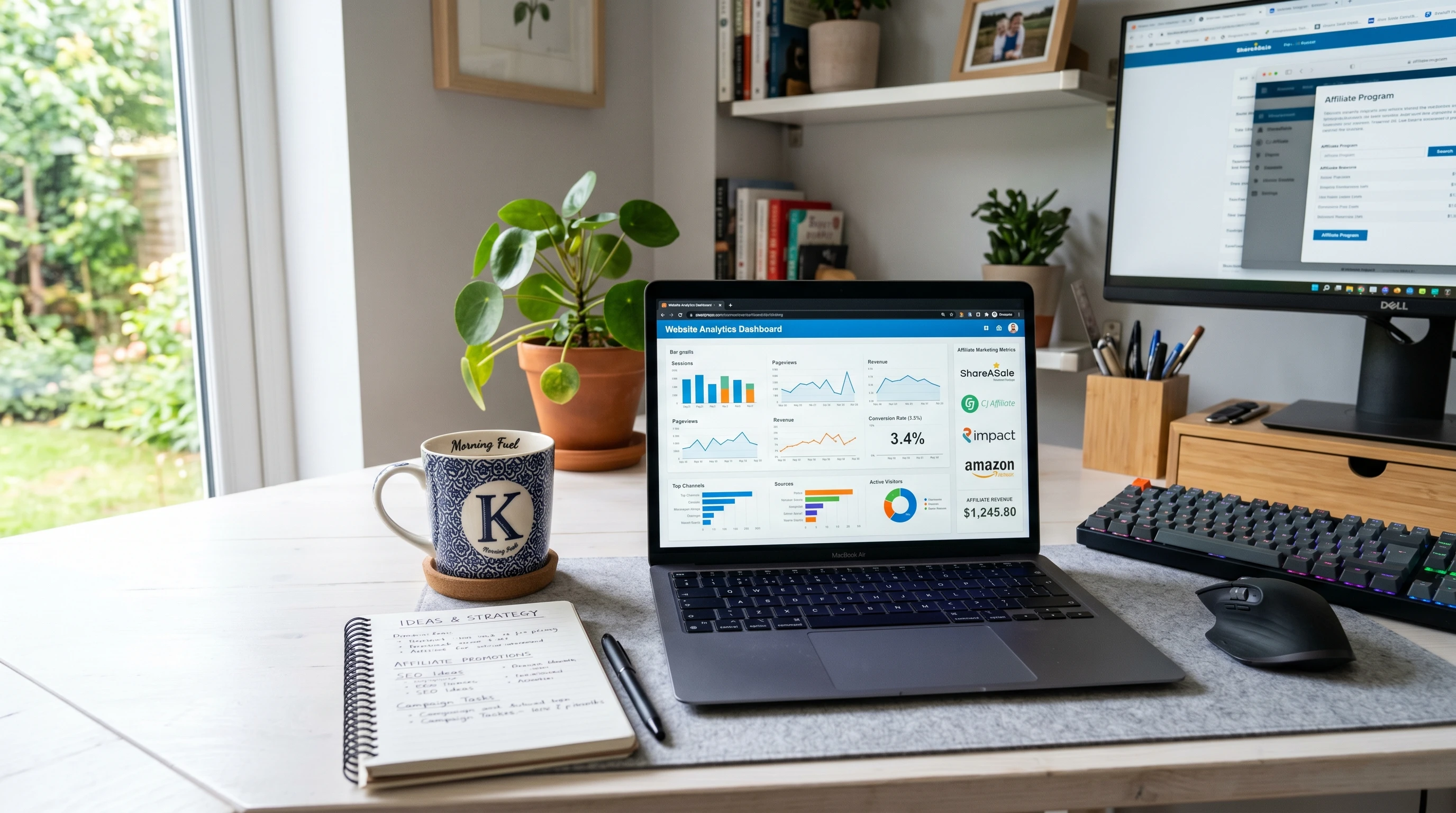
- Analytic dashboards in your affiliate programs for keeping tabs on clicks and payouts
Check your numbers weekly to spot what’s getting the most clicks, and which products actually earn commissions. Over time, you’ll get a feel for what your audience trusts you to recommend, and you can focus your energy there.
Common Questions & Quick Troubleshooting
How long does it take to make my first commission?
Some people see their first sale in just a few weeks; for others, it might be 2-3 months of steady contentmaking and sharing. Being consistent is really important, especially at the beginning.
Do I need a website to start affiliate marketing?
You don’t have to start with a website, but having your own site eventually gives you more control and longterm freedom. Social channels can work—but try not to rely on just one place to reach people.
What if nobody clicks my links?
- Try solving a specific problem in your content
- Go deeper with real-life examples
- Make your call-to-action much clearer, like “Try it here” or “Check my full review”
Usually, tweaking just one or two things can make a big difference fast.
Putting It All Together: Your Affiliate Marketing Action Plan
Affiliate marketing in 2026 is more open than ever, but being consistent and honest about what you recommend is key. You don’t need to have all the answers on your first day—it’s about starting and learning as you go.
Your First Steps:
- Choose a niche that interests or matters to you.
- Sign up for a couple of affiliate programs that fit your topic.
- Create your first helpful piece of content, like a blog post, review video, or a simple email.
- Share your content where your audience is most likely to see it.
- Check your stats after two weeks—see what’s catching on, and keep improving from there.
Affiliate marketing is all about building trust. Offer value, share your stories, and let your recommendations grow from real experiences. If you’ve got questions, cool ideas, or want to share your affiliate adventure, add your comments below. Here’s to your affiliate marketing success in 2026!